

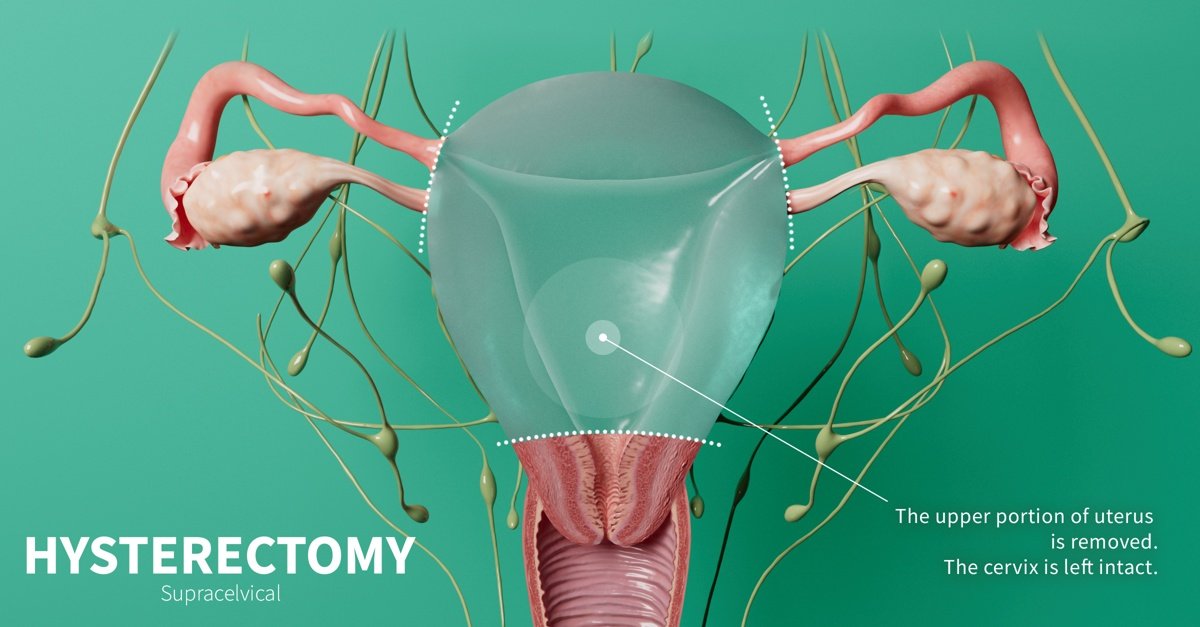
What is a Hysterectomy?
A hysterectomy is a surgical procedure to remove the uterus.
After this surgery, periods stop permanently and pregnancy is no longer possible.
It is recommended when other medical treatments have failed or when the condition is severe.
When is Hysterectomy Needed?
A hysterectomy may be advised in the following conditions:
-
Heavy or prolonged menstrual bleeding
-
Large, multiple or symptomatic fibroids
-
Severe endometriosis
-
Chronic pelvic pain
-
Adenomyosis
-
Uterine prolapse
-
Recurrent infections
-
Uterine cancer or pre-cancerous changes
Types of Hysterectomy (3 Surgical Methods)
Our hospital offers all three major techniques, depending on the patient’s condition, age, and medical history.
1. Abdominal Hysterectomy (Open Surgery)
An incision is made on the abdomen to remove the uterus.
Best for:
-
Very large fibroids
-
Cancer cases
-
Complex anatomy
-
Multiple previous surgeries
Advantages:
-
Suitable for complicated cases
-
Effective for large-growth removal
Recovery:
Slightly longer, usually 4–6 weeks.
2. Vaginal Hysterectomy
The uterus is removed through the vaginal route — no abdominal cuts required.
Benefits:
-
Less postoperative pain
-
Faster recovery
-
Minimal scarring
-
Short hospital stay
Ideal for:
-
Uterine prolapse
-
Medium-sized uterus
-
Non-cancerous conditions
3. Laparoscopic Hysterectomy (Minimally Invasive)
Performed using small keyhole incisions and a laparoscopic camera.
Benefits:
-
Minimal blood loss
-
Very small scars
-
Significantly less pain
-
Faster return to normal activities
-
Shorter hospital stay
Ideal for:
-
Fibroids
-
Endometriosis
-
Non-cancerous conditions
-
Early-stage diseases
Additional Variants of Hysterectomy
Depending on the disease, these surgical options are available:
-
Total Hysterectomy – removes uterus + cervix
-
Subtotal (Partial) Hysterectomy – removes uterus but leaves cervix
-
Radical Hysterectomy – for cancer cases (uterus + surrounding tissues)
Benefits of Hysterectomy
-
Relief from heavy bleeding
-
Relief from pelvic pain
-
Improvement in quality of life
-
No more monthly periods
-
Treatment of recurrent or severe gynecological disease
Recovery & Aftercare
-
Early mobilization encouraged
-
Pain management support
-
Stitches healing monitored
-
Follow-up visits recommended
-
Avoid heavy lifting for a few weeks
Most patients return to routine activities within 2–4 weeks (laparoscopic) and 4–6 weeks (abdominal).
Why Choose Chadha Hospital for Hysterectomy?
-
Experienced gynaecologists & laparoscopic surgeons
-
Advanced OT & modern equipment
-
Minimally invasive expertise
-
Safe anesthesia & monitoring
-
Compassionate female staff support
-
Affordable surgery packages
Need Help or Want to Book an Appointment?
Connect with us instantly through call or WhatsApp.