

Uterine Prolapse Surgery
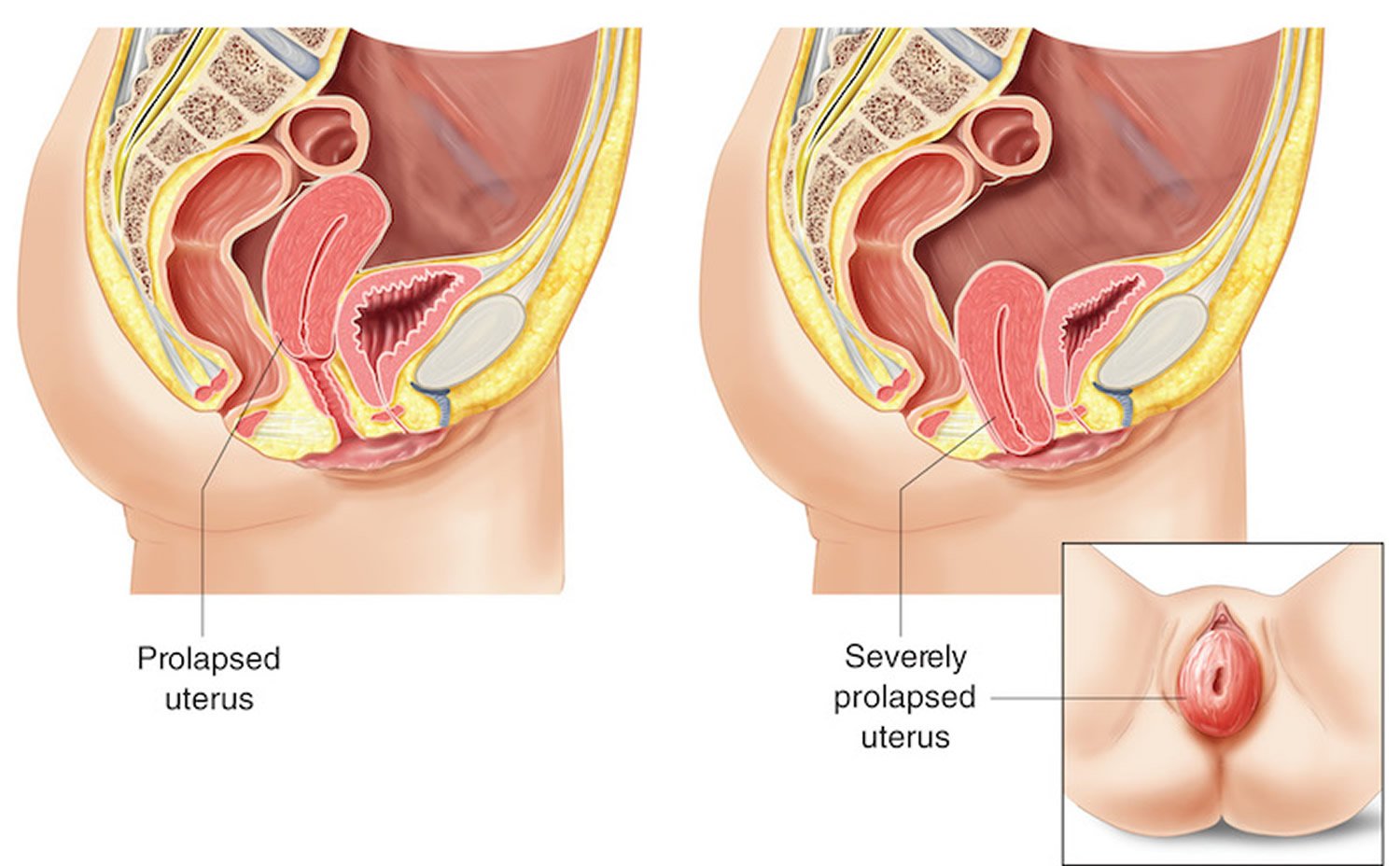
Uterine prolapse occurs when the uterus descends from its normal position into the vagina due to weakened pelvic floor muscles and ligaments. This condition can cause discomfort, heaviness, urinary problems, and difficulty in daily activities. At Chadha Hospital, we offer advanced, safe, and effective surgical treatments for uterine prolapse, ensuring long-term relief and restored pelvic support.
What Is Uterine Prolapse?
Uterine prolapse happens when the muscles and tissues that hold the uterus in place become weak or stretched. As a result, the uterus slips downwards, sometimes even protruding outside the vaginal opening in severe cases.
Common Symptoms
-
Feeling of heaviness or pressure in the pelvis
-
Lower back pain
-
Bulging sensation in the vagina
-
Difficulty standing or walking for long
-
Urinary leakage or frequent urge to urinate
-
Difficulty in bowel movements
-
Discomfort during intercourse
Causes of Uterine Prolapse
-
Normal childbirth (especially multiple deliveries)
-
Aging and menopause
-
Weak pelvic floor muscles
-
Obesity
-
Chronic cough or constipation
-
Heavy lifting
-
Genetic weakness of connective tissue
Surgical Treatment Options for Uterine Prolapse
At Chadha Hospital, surgery is recommended for women with moderate to severe prolapse or those whose daily activities are affected. We use modern, minimally invasive and vaginal repair techniques for the best outcomes.
1. Vaginal Uterine Suspension
A minimally invasive procedure where the uterus is lifted back into place and supported using strong pelvic tissues.
Best for: Women who want to retain their uterus.
Benefits
-
No abdominal cuts
-
Quick recovery
-
Short hospital stay
2. Laparoscopic Uterine Suspension (Hysteropexy)
A keyhole surgery performed using small incisions and a camera.
The uterus is lifted and secured using surgical mesh or sutures.
Benefits
-
Minimal pain
-
Tiny scars
-
Faster healing
-
High long-term success rates
3. Vaginal Hysterectomy (If Needed)
In severe cases, removing the uterus may be recommended to completely correct the prolapse.
Ideal for:
-
Very severe prolapse
-
Post-menopausal women
-
Recurrent prolapse cases
Benefits
-
Permanent relief
-
Reduces risk of recurrence
-
No abdominal incision
Recovery After Uterine Prolapse Surgery
Most patients experience rapid improvement and are able to resume light activities within 1–2 weeks.
Post-surgery guidelines:
-
Avoid heavy lifting
-
Maintain pelvic floor exercises
-
Manage weight
-
Follow regular check-ups
Why Choose Chadha Hospital for Uterine Prolapse Surgery?
-
Experienced gynaecological surgeons
-
Advanced laparoscopic & vaginal repair techniques
-
Personalized treatment plans
-
Focus on complete pelvic health
-
Supportive post-operative care
-
High success rate with minimal discomfort
Need Help or Want to Book an Appointment?
Connect with us instantly through call or WhatsApp.